

Only a select few fictional characters possess the extraordinary ability to captivate audiences, transcending generational boundaries and becoming deeply ingrained in cultural consciousness. These characters achieve an iconic status that renders them instantly recognizable, even to those unfamiliar with their original source material. Doraemon undoubtedly stands among these rare, culturally significant entities.
On September 3, 2112, the blue robotic feline was manufactured at the Matsushiba Robot Factory. As a futuristic character, his annual commemorations represent a countdown to his original creation. In 2012, anticipating his centennial pre-birth celebration, extensive festivities were conducted throughout Japan and Asia. Even amid political tensions and anti-Japanese demonstrations in China, Doraemon's birthday event in Beijing drew substantial attendance.
Although his global recognition may not match his Asian prominence, Doraemon has effectively served as a cultural ambassador for Japan. His collaborations with international luxury brands, theme park representations, and status as Japan's counterpart to Mickey Mouse underscore his significant cultural impact. Doraemon is fundamental to comprehending Japanese animation and popular culture.
The Birth of an Icon
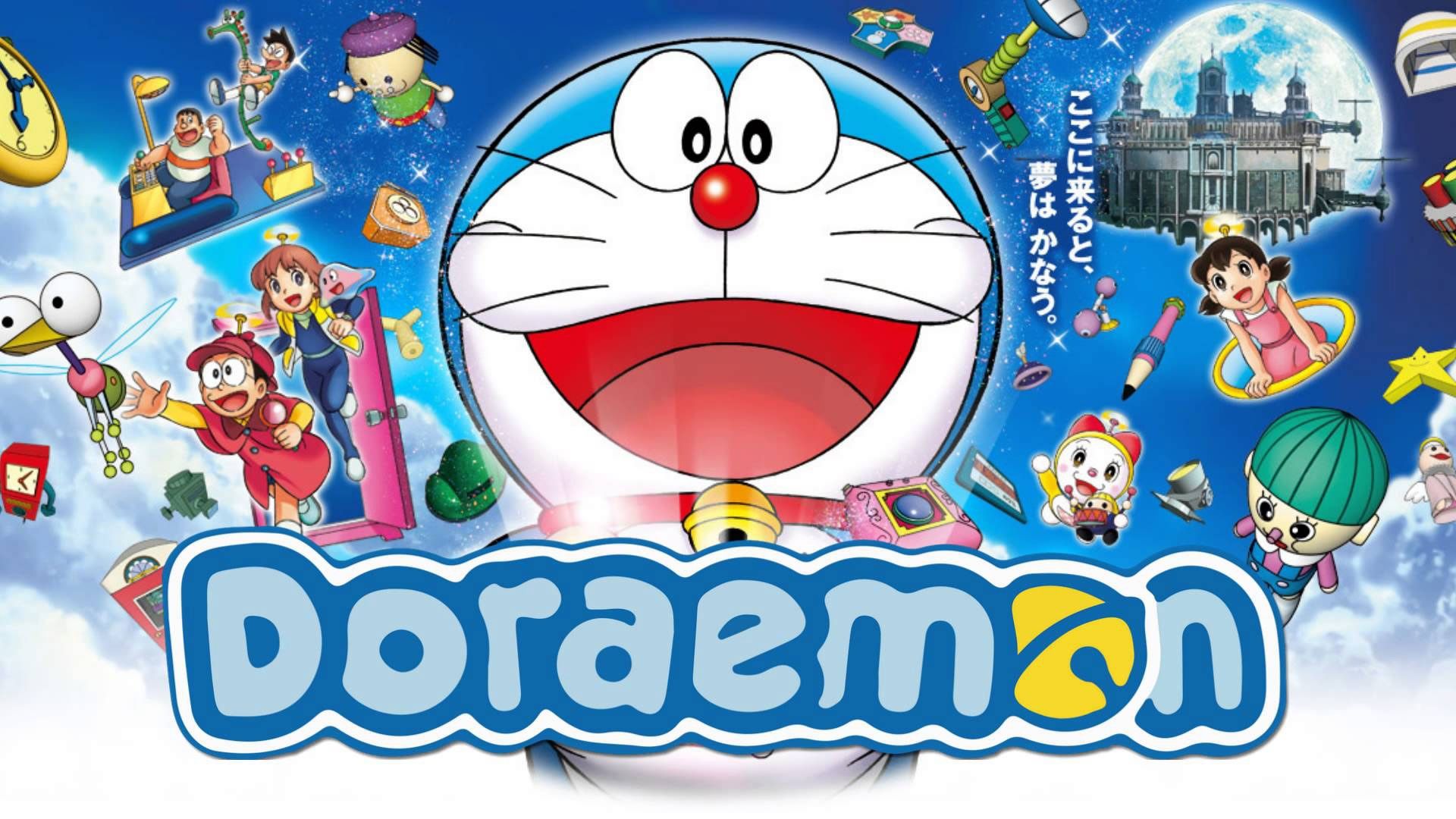
While Doraemon's canonical origin is set in the 22nd century, the series was initially introduced as a manga by the creative duo Fujiko Fujio in 1969, making the character 56 in conventional years. The narrative centers on Nobita, a 10-year-old experiencing substantial life challenges, who is assisted by Doraemon, a blue robotic cat from a future civilization, equipped with wisdom and transformative technological gadgets.
The series evolved from a simple manga into a global phenomenon, publishing nearly 1,350 manga chapters between 1969 and 1996, alongside multiple book-length works. Its definitive breakthrough occurred with the television anime adaptation in 1979.
Cultural Impact That Cannot Be Overlooked
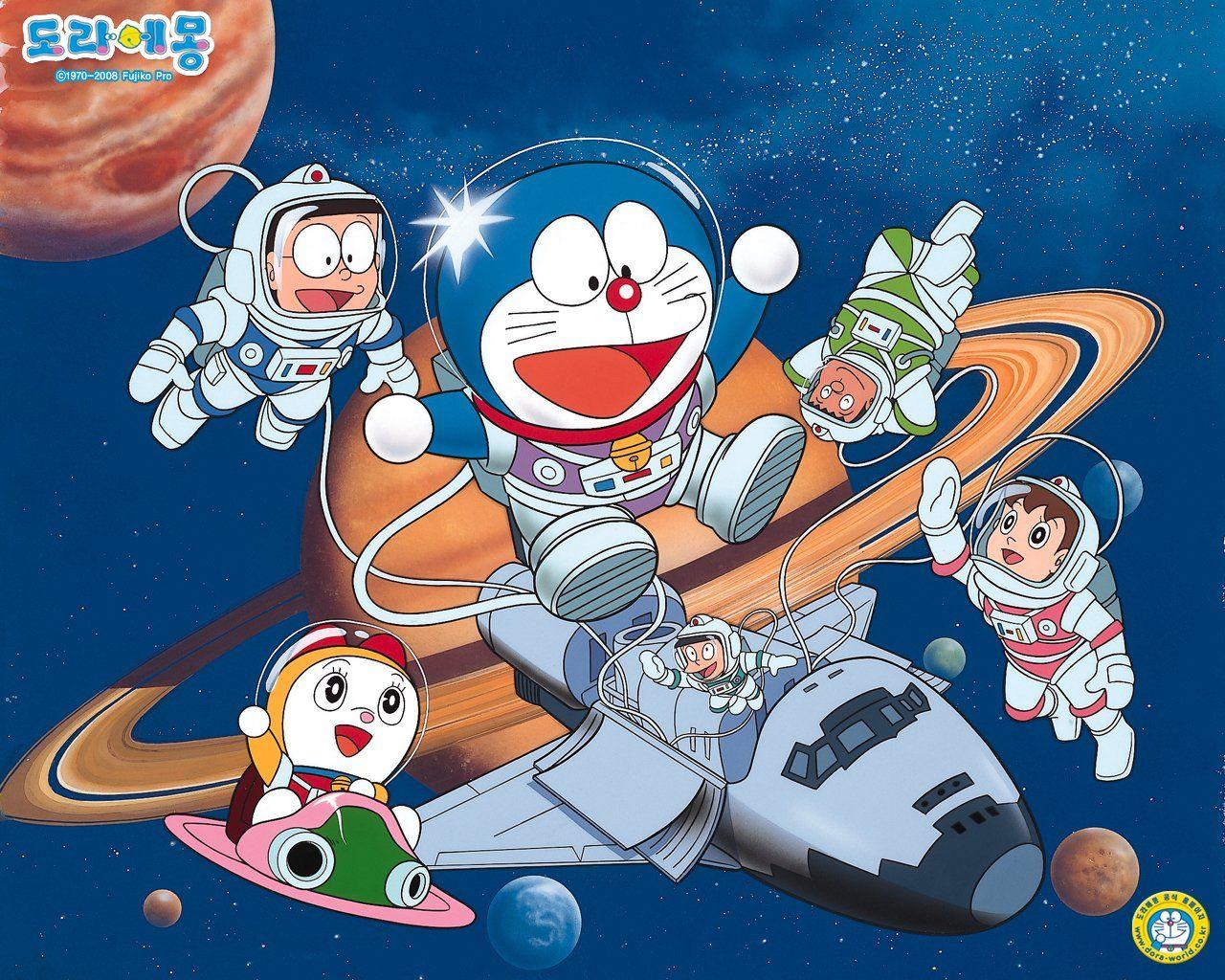
With over 3,000 total episodes, 43 feature films, and a continuously running anime series, Doraemon has established an unprecedented media presence. In 2008, Japan's Ministry of Foreign Affairs officially designated Doraemon as an Anime Ambassador, strategically leveraging the character to promote positive international relations through soft power diplomacy.
As a cultural touchstone, Doraemon has inspired numerous creative interpretations and collaborations, including partnerships with contemporary artists like Takashi Murakami and influencing narrative developments in subsequent media productions.
Celebrating Doraemon's Enduring Legacy
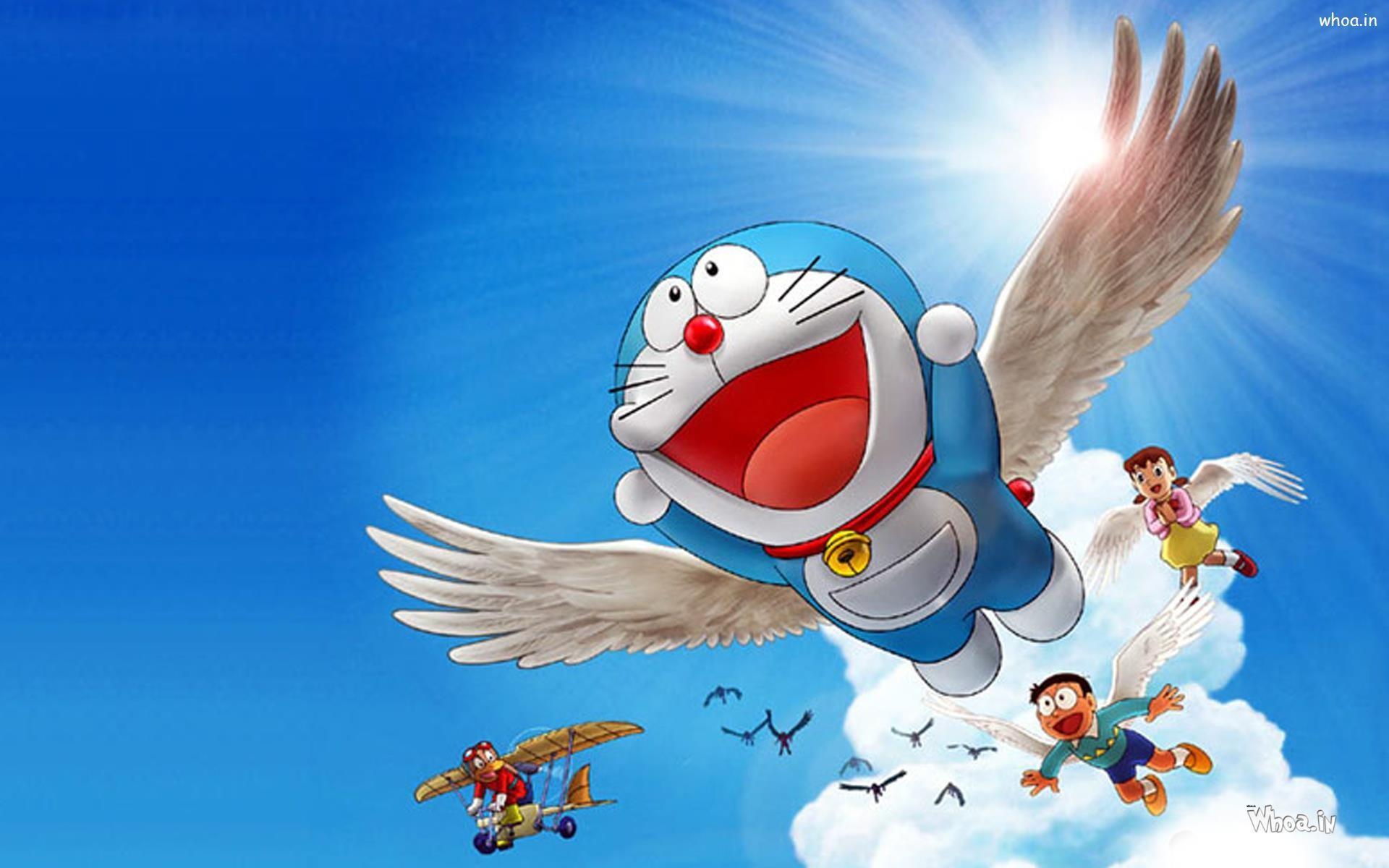
The current anime iteration premiered on TV Asahi in 2005, with annual birthday specials providing fans an opportunity to celebrate the character. This year's commemorative episode is scheduled for broadcast on September 6 at 6:56 p.m., continuing the tradition of honoring this beloved cultural icon.
Doraemon
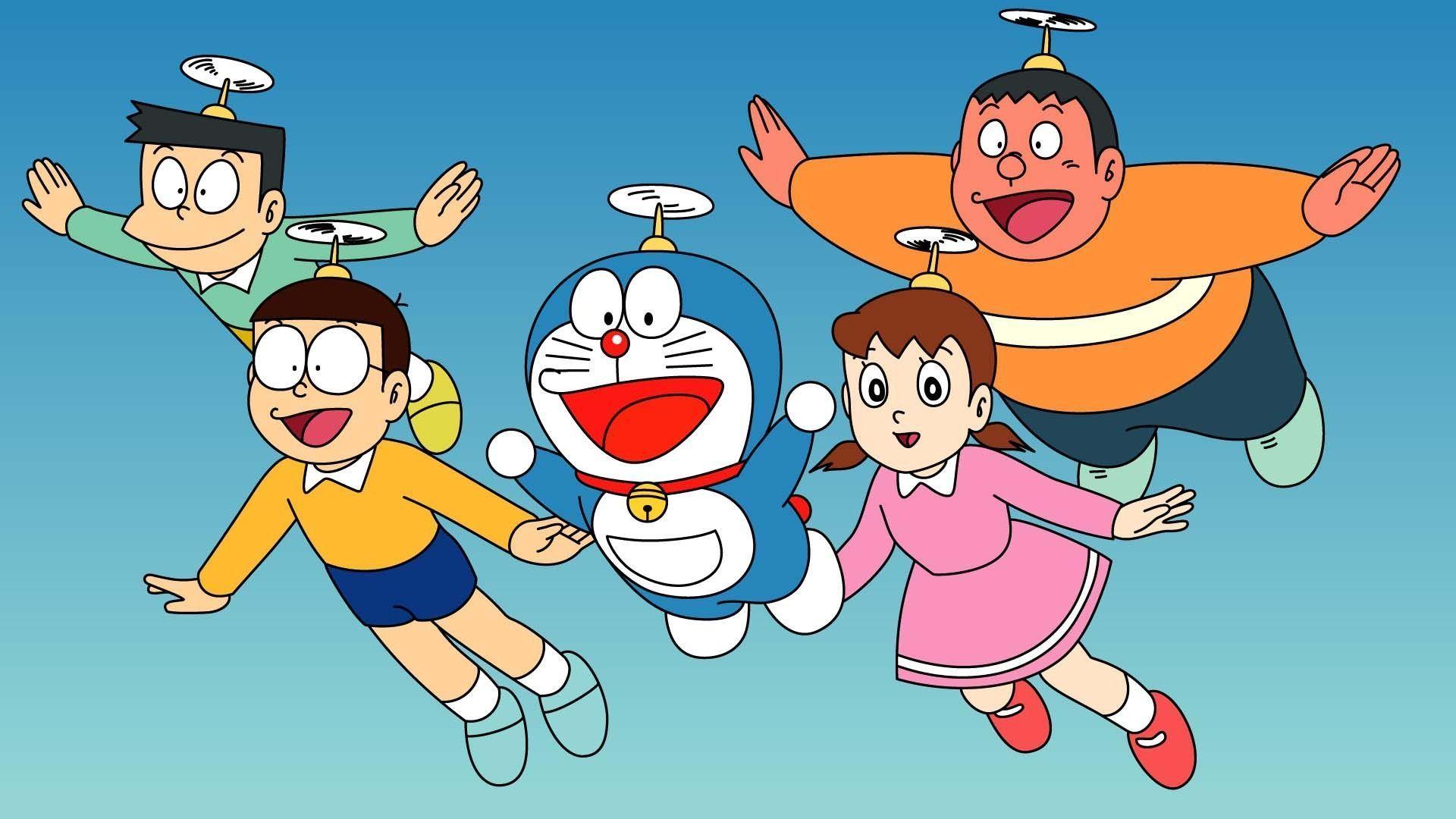
Genre: Comedy, Science fiction
Manga
Written by: Fujiko F. Fujio
Published by: Shogakukan
English publisher:
CN: 21st Century Publishing House (bilingual English-Chinese)
JP: Shogakukan (bilingual)
NA: Fujiko Pro
SG: Shogakukan Asia
TW: Chingwin Publishing Group (bilingual English-Chinese)
Imprint: Tentōmushi Comics
Magazine: CoroCoro Comic and other Shogakukan children's magazines
Original run: 1969 – 1996
Originating from the creative minds of manga artists Fujiko F. Fujio, Doraemon emerged as a distinctive animated character that resonated deeply with multiple generations of Japanese audiences. The character's unique attributes - a blue robotic cat from the future with an expansive array of technological gadgets - distinguished him from conventional cartoon protagonists.
Through strategic storytelling and relatable character interactions, Doraemon gradually established himself as more than a mere entertainment figure. He became a cultural touchstone, symbolizing problem-solving, friendship, and imaginative thinking for Japanese youth. His widespread appeal parallels the cultural significance of iconic characters like Mickey Mouse in Western media.
The character's journey reflects a nuanced understanding of narrative complexity and emotional engagement, positioning Doraemon as a sophisticated representation of contemporary Japanese cultural expression.

.jpeg)

![Samsung’s One UI 8.5 update keeps leaking, adding ‘3D’ icons and more Liquid Glass vibes [Gallery]](https://blogger.googleusercontent.com/img/b/R29vZ2xl/AVvXsEiTjPUDY0Yh63Ucf7FsMDDQZSqDtulEfOaARZxJlZuyNaqVlAassk67SfPpgribTYaj2BCjR9F33rju5XyAX79or3qKFPtDxKwRs7ZYuIMwJ4Y4vAoUJmqdblLuG9wPqkQBv24szt-7Gmr3sfk9Lyd70TM-uR6ggcgLb4RVWiZ9uIDxTzrYU89EedEpVGA/w72-h72-p-k-no-nu/Screenshot_20251004-110007_1.png)

0 Comments